Teeth grinding and TMD: treatment in Baar near Zug
Grinding and clenching slowly wear away valuable tooth substance – often without any discomfort. We find the cause, protect your teeth and rebuild what has been lost.
- In Baar since 2011
- SSO practice
- Consultations in German and English
- Right at the station · parking
- Interest-free instalments
A focus of the practice founder
Grinding, bruxism and TMD as well as bite correction and bite raising are among the core skills of Dr. Nina van Sprundel, with postgraduate training in Berlin and Munich.
A splint made for you
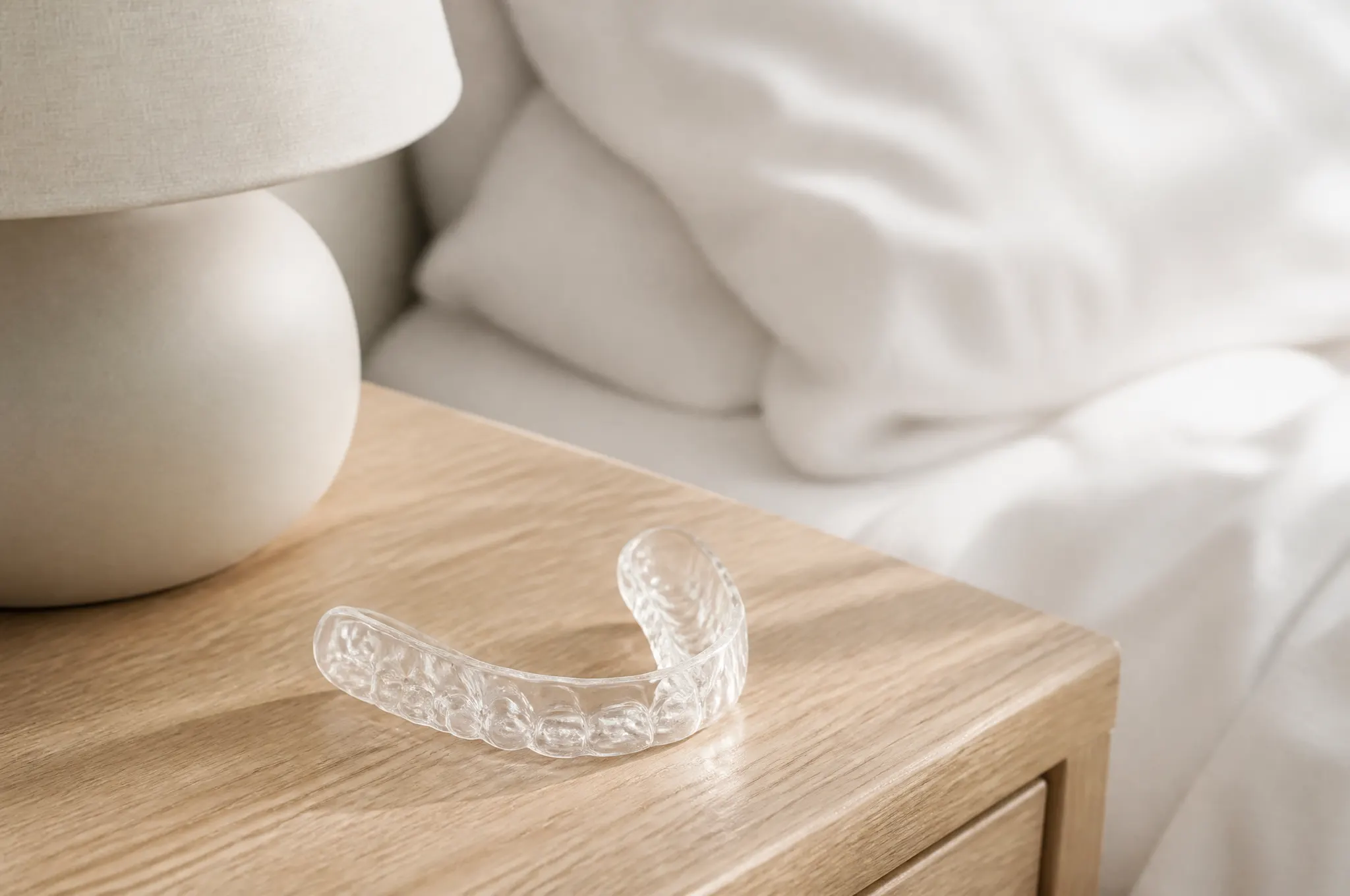
We make your occlusal splint, often a Michigan splint, especially for you. It protects your teeth from wear and relieves the jaw muscles and joints.
From protection to restoration
Splint, Botox against grinding, bite raising and aesthetic restoration in one practice. We plan your new smile on screen in advance.
Personal consultation in Baar
Book online, call or send a WhatsApp message – whatever suits you.
Inside the treatment room
Book appointment
Why grinding often goes unnoticed
Bruxism occurs during the day as waking bruxism and at night as sleep bruxism; grinding during sleep cannot be controlled. Many people affected show no symptoms at all while hard tooth substance is being lost. This often leads to a loss of bite height and pain in the jaw joints.
Signs include tender jaw muscles, tooth impressions in the tongue and cheek, smoothly polished chewing surfaces, cracks in the enamel and sensitive teeth. Headaches, shoulder pain and muscle tension are often reported.
Dr. Nina van Sprundel has published on the subject, including a paper on three-surface posterior veneers for bruxism patients: «Das dreiflächige-Seitenzahnveneer – neue Wege bei der individuellen Versorgung erosions- und funktionsbedingter Zahnschäden bei Bruxismuspatienten».
What we do for you



How it works
- AssessmentThrough a medical history and a look in your mouth we check for loss of tooth enamel and examine your jaw muscles and bite.
- Protecting your teethA first measure is usually a splint, worn consistently every night. With severe grinding, Botox can be used alongside it from the outset.
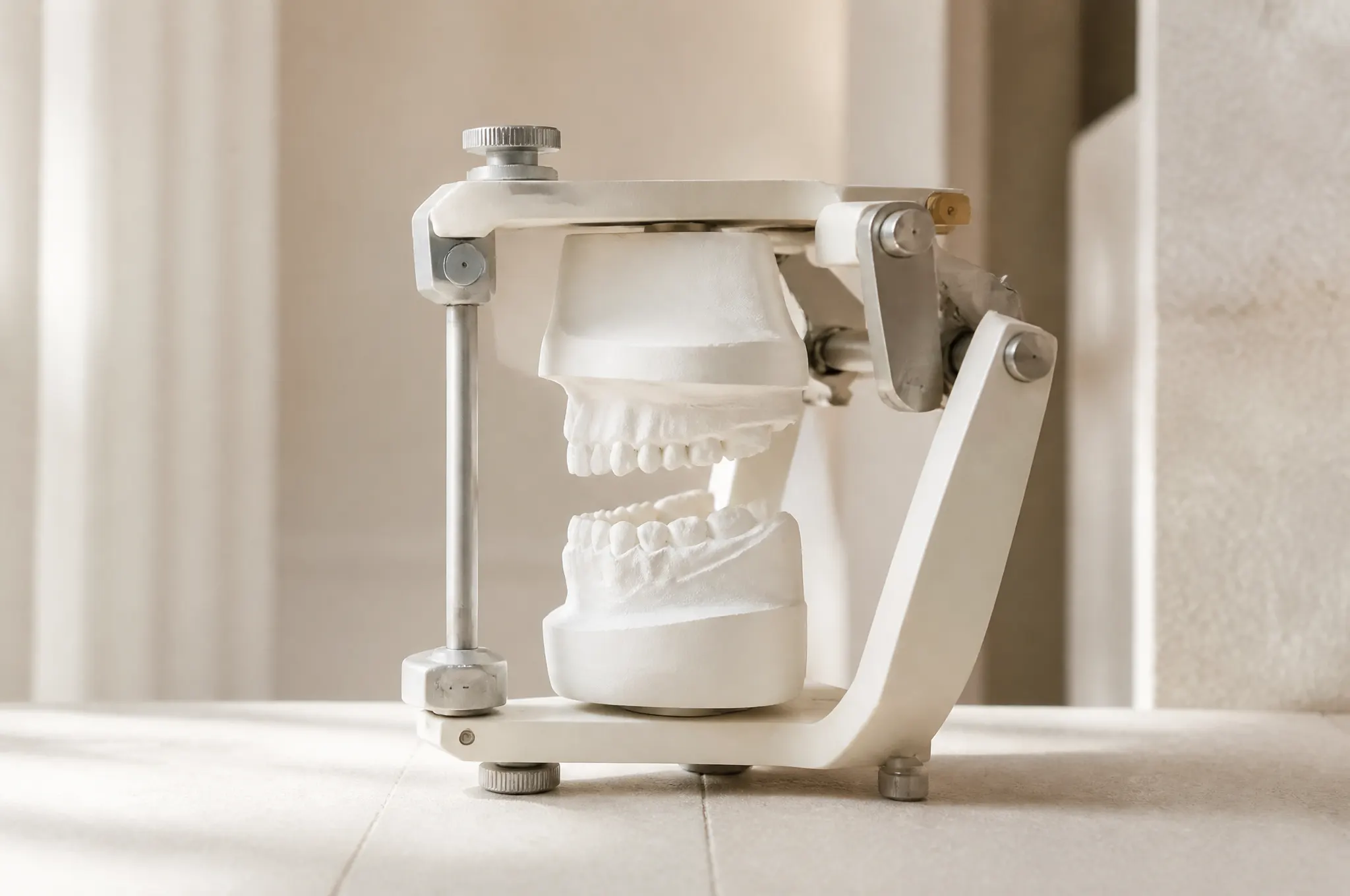
- Addressing the causeTo stop the grinding, its cause has to be found – often everyday stress or a malocclusion, for example from crowns or fillings that are too high.
- RestorationAfter analysing your occlusion, we cover worn teeth with composite or ceramic, or restore a normal bite with bite raising.

Dr. med. dent. Nina van Sprundel
Medical Director, founder – reconstructive rehabilitation (full-mouth reconstruction) & esthetic dentistry
«A vision without effort is a dream – and effort without vision is wasted time.»- Studied dentistry at Charité Universitätsmedizin Berlin, followed by a doctorate in orthodontics.
- Worked in private practices in Zug and Zurich; founded her own practice in Baar in 2011, then called «nicesmile».
- Postgraduate training in Berlin and Munich in esthetic dentistry, endodontics, reconstructive dentistry, CMD, periodontology and sleep medicine.
What our patients say
4.9Google rating · 190 reviews«Grosses Sach- und Fachwissen sowie Freundlichkeit und Empathie geben mir so viel Vertrauen, dass ich gerne die Zeit und die Fahrtkosten auf mich nehme um von Bern anzureisen.»
«Von Tag eins und der Vorbesprechung bis zum fertigen Ergebnis – einfach überragend. Man hört zu, geht auf Probleme ein und jeder einzelne Schritt wird erklärt und schmerzfrei ausgeführt.»
Talk to us
In a personal consultation we clarify which treatment suits you and prepare a transparent cost estimate.
Frequently asked questions
Can teeth grinding be cured?
The grinding itself cannot be cured, but it can be reduced. That is why we look for the cause and protect your teeth with a splint in the meantime.
How long do I need to wear the splint?
The splint should be worn consistently every night. If your symptoms subside quickly, splint therapy may be stopped after a few weeks.
How does Botox help against grinding?
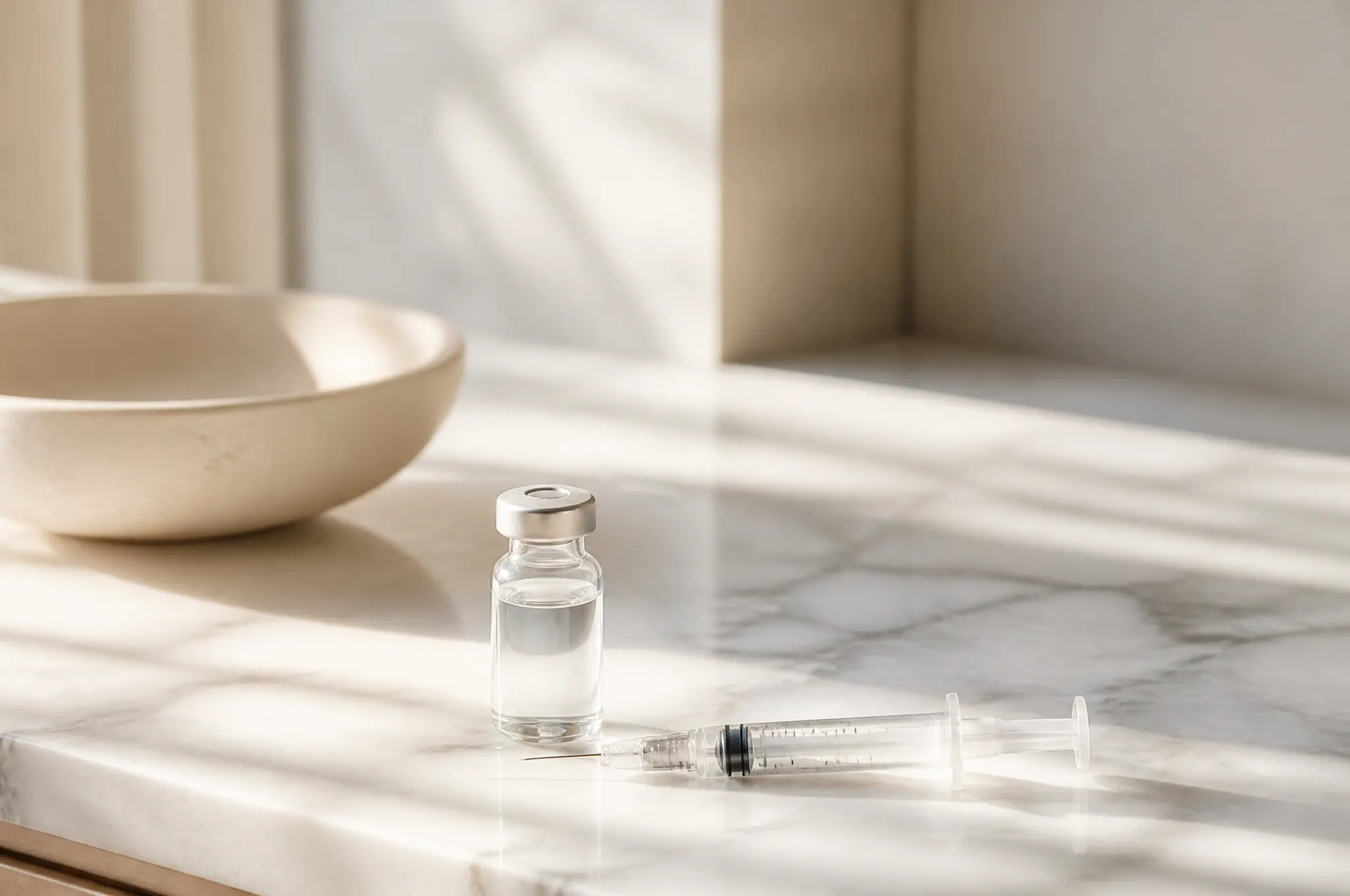
Botulinum toxin is injected into the large jaw muscle on the right and left; chewing is not affected. The full effect sets in after around 14 days and lasts up to six months, with a repeat treatment recommended after 4 months.
Who should not have Botox?
Botox is not suitable during pregnancy or breastfeeding, or for people with neuromuscular diseases. Possible side effects are small bruises at the injection sites and, in rare cases, a dry mouth.
What is bite raising?
For worn teeth, it restores the optimal distance between the jaws and teeth, and its purpose is primarily functional. With temporary restorations, we determine the optimal bite height in a trial phase of 3–12 months.
What does treatment cost?
It depends on your situation and the materials chosen. We are happy to prepare a tailor-made cost estimate, and extensive bite raising can be paid in interest-free instalments.
Have your grinding assessed
Book your appointment online, by WhatsApp or by phone. We always plan enough time for your consultation.